Complete Guide to Renting an Apartment in Spain
Nuevolista Team · 20 dic 2025 · 9 min de lectura
Por ahora esta página solo está disponible en inglés. El resto del sitio está traducido.
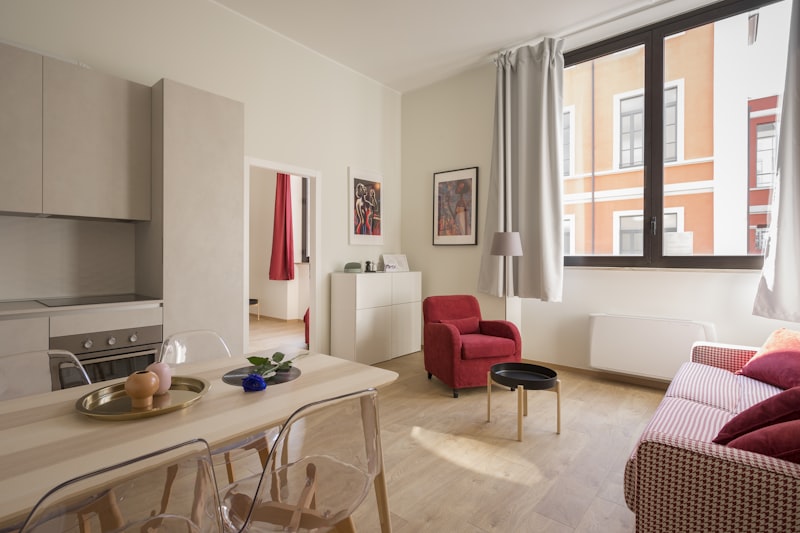
Renting an apartment in Spain is the practical choice for many people, whether you are a student, a young professional, an expat testing a new city, or someone who prefers the flexibility of not being tied to a mortgage. The Spanish rental market has grown significantly in recent years, with increasing demand in major cities pushing rents higher. Understanding how the rental process works will help you find the right apartment and avoid common pitfalls.
Where to Find Rental Listings
The most popular platforms for finding rental apartments in Spain include Idealista, Fotocasa, and Nuevolista. These portals allow you to filter by location, price, size, and features. Social media groups, particularly on Facebook, are also used for sharing rental listings, though exercise caution with private listings as scams exist. University notice boards and local newspapers can be sources for rooms and shared apartments. Working with a real estate agent can save time, though agents typically charge one month rent as a commission. Browse rental listings on Nuevolista to find verified apartments with transparent pricing and detailed descriptions.
Documents You Will Need
Landlords in Spain typically request several documents from prospective tenants. You will need a valid form of identification such as a passport or NIE for foreigners, proof of income such as payslips or a work contract showing you earn at least three times the monthly rent, a bank reference letter or recent bank statements, and sometimes references from previous landlords. Self-employed tenants may need to provide their most recent tax declarations. Students without income may need a guarantor, usually a parent, who can demonstrate sufficient financial means.
Understanding the Costs
When renting in Spain, your upfront costs typically include the first month rent paid in advance, a security deposit of one or two months rent, the real estate agent commission if applicable, and sometimes the first utility connection fees. The security deposit, known as the fianza, is legally required to be deposited with the relevant regional housing authority, though in practice many landlords retain it themselves. At the end of your lease, the deposit should be returned within one month if the property is in good condition.
The Rental Agreement
All rental agreements in Spain should be in writing, though verbal agreements are technically legal for short-term rentals. A standard long-term rental contract, known as a contrato de arrendamiento de vivienda, should include the identity of both parties, a description of the property, the rental amount and payment method, the duration of the contract, the deposit amount, and provisions for rent increases. Under current Spanish law, long-term rental contracts have a minimum duration of five years for individual landlords and seven years for corporate landlords. However, the initial binding period is just one year, after which the contract automatically extends annually up to the five or seven year minimum.
Tenant Rights in Spain
Spanish rental law, governed by the Ley de Arrendamientos Urbanos, provides strong protections for tenants. Landlords cannot evict tenants during the minimum contract period without just cause. Rent increases during the contract are regulated and capped. Tenants have the right to essential repairs being carried out by the landlord. The tenant can terminate the contract after six months with 30 days written notice, regardless of the contract duration. These protections make renting in Spain relatively secure for tenants who understand their rights.
Tips for Finding the Best Rental
Start your search early, especially in competitive markets like Madrid, Barcelona, and university cities where demand is high. Visit properties in person whenever possible to assess the actual condition, noise levels, and neighborhood. Do not send money for a property you have not seen or to a landlord you have not met. Check that utilities and community fees are clearly defined in the contract. Take photographs of the property condition when you move in as evidence for your deposit return. Search for your ideal rental apartment on Nuevolista, where all listings are verified to protect both tenants and landlords.