Property Flipping in Spain: Is It Worth It?
Nuevolista Team · 15 sept 2025 · 10 min de lectura
Por ahora esta página solo está disponible en inglés. El resto del sitio está traducido.
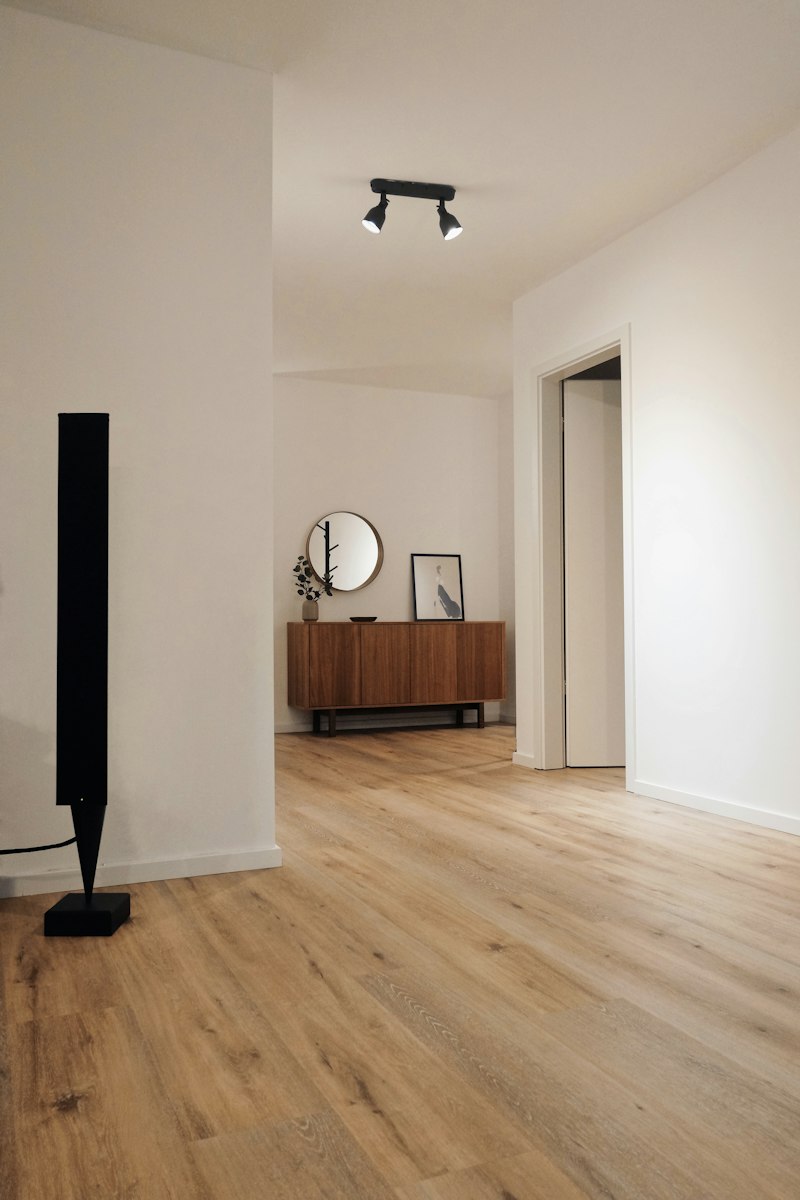
Property flipping — buying a rundown property, renovating it, and selling at a profit — has gained enormous popularity through television shows and social media. In Spain, where older housing stock and rapidly appreciating markets create opportunities, flipping can be profitable. But it is far from risk-free, and the gap between a successful flip and a costly mistake often comes down to preparation and local knowledge.
Is the Spanish Market Suited to Flipping?
Spain has a large stock of older properties in need of modernization, particularly in historic city centers and rural areas. In cities experiencing rapid growth — such as Málaga, Valencia, and parts of Madrid — renovated properties command significant premiums over unrenovated equivalents. The combination of relatively affordable entry prices and strong buyer demand for turnkey properties creates a viable flipping environment. However, Spain's transaction costs are higher than in some markets, which narrows margins.
Finding the Right Property
Successful flippers buy at a discount, which means targeting properties that most buyers overlook: estates requiring probate clearance, bank-repossessed units, or homes with cosmetic issues that discourage retail buyers. The key is identifying properties where renovation costs are predictable and the post-renovation value is clear. Nuevolista lists properties across all conditions, including those flagged as needing renovation, giving flippers a rich pipeline to evaluate.
Renovation Costs and Timelines
A cosmetic renovation — new paint, flooring, kitchen updates, and bathroom refresh — typically costs €300 to €600 per square meter in Spain. A full structural renovation involving plumbing, electrical rewiring, and layout changes can run €800 to €1,500 per square meter. Timelines vary significantly: a cosmetic refresh might take four to six weeks, while a gut renovation can extend to four to six months. Delays due to licensing, material shortages, or contractor availability are common and should be factored into your budget.
Understanding the Numbers
A profitable flip requires disciplined financial analysis. The all-in cost — purchase price, renovation, purchase taxes (typically 6% to 10%), legal fees, and selling costs (including agent commission and capital gains tax) — must leave a margin of at least 15% to 20% to justify the effort and risk. Capital gains tax in Spain is 19% on the first €6,000 of profit, 21% on the next tranche up to €50,000, and 23% on gains above that threshold. These rates apply to non-residents; residents may benefit from certain exemptions.
Markets Where Flipping Works Best
Valencia's Ciutat Vella and Ruzafa neighborhoods have been flipping hotspots due to low entry prices and strong appreciation. In Málaga, the Soho arts district and the expanding west side offer opportunities. Madrid's Lavapiés and Usera districts attract value-seeking buyers and have seen rapid gentrification. Coastal resort areas can also work, particularly for properties that can be repositioned as holiday rentals post-renovation.
Risks and Pitfalls
The biggest risk in flipping is overestimating the post-renovation sale price. Markets can cool during your renovation period, erasing projected profits. Unexpected structural issues — hidden dampness, asbestos, or non-compliant electrical systems — can blow budgets. Over-improving a property beyond what the neighborhood supports is another common mistake. Due diligence, conservative assumptions, and a healthy contingency budget (at least 15% of renovation costs) are your best protections.
Conclusion
Property flipping in Spain can be rewarding, but it is an active, labor-intensive strategy that demands market expertise, reliable contractors, and financial discipline. If you are prepared to invest the time and effort, the Spanish market offers genuine opportunities — especially in cities where regeneration and international demand continue to push values higher.