Remote Work and Its Impact on Spanish Real Estate
Nuevolista Team · 20 mar 2026 · 12 min de lectura
Por ahora esta página solo está disponible en inglés. El resto del sitio está traducido.
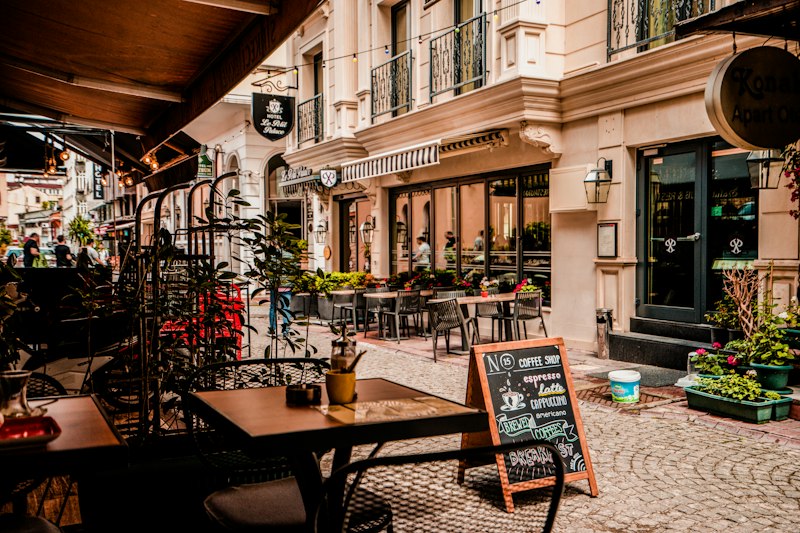
The rise of remote work has fundamentally altered the dynamics of the Spanish property market. What began as a pandemic-driven necessity has evolved into a permanent shift in how and where people choose to live and work. For Spain, a country with an enviable climate, affordable cost of living, and modern digital infrastructure, this trend has created significant opportunities across the real estate market.
Spain's Digital Nomad Visa
Spain introduced its Digital Nomad Visa (Ley de Startups) in 2023, allowing non-EU remote workers and freelancers earning primarily from foreign clients to live and work in Spain for up to five years. The visa offers a favorable tax regime (Beckham Law provisions) with a flat 24% income tax rate on the first €600,000 of income for qualifying applicants. This policy has significantly boosted Spain's attractiveness to international remote workers and has created new demand in previously overlooked property markets.
How Remote Work Is Reshaping Demand
The traditional property demand pattern in Spain centered on city centers for workers and coastal areas for retirees. Remote work has blurred these boundaries. Buyers now prioritize quality of life, space, and reliable internet over proximity to offices. This has shifted demand in several directions. Mid-sized cities like Valencia, Malaga, and Alicante have seen surging interest, offering urban amenities at lower prices than Madrid or Barcelona. Smaller coastal towns with fiber internet have become viable full-time locations rather than just holiday destinations. Rural areas with good connectivity, particularly in regions like Asturias, Cantabria, and interior Catalonia, are experiencing renewed interest.
The "Zoom Town" Effect
Several Spanish towns and cities have benefited disproportionately from the remote work trend. Malaga has marketed itself aggressively as a tech hub and digital nomad destination, attracting Google and other tech companies to establish offices. Denia on the Costa Blanca has been designated a UNESCO Creative City and has seen a boom in creative professionals relocating there. Las Palmas de Gran Canaria, with its year-round warm climate and established coworking scene, has become one of Europe's premier digital nomad destinations. Browse verified properties on Nuevolista in these emerging remote-work hotspots.
Impact on Property Types and Features
Remote work has changed what buyers want in a property. Home offices or dedicated work spaces have become essential features. High-speed fiber internet connectivity is now a non-negotiable requirement. Properties with terraces, gardens, or access to outdoor space command significant premiums. Developments with coworking spaces in communal areas are increasingly popular. Noise insulation and separate entrances for work areas are valued by those who take video calls regularly.
Coworking Spaces and Community
The growth of coworking spaces across Spain has been remarkable. Cities like Barcelona, Madrid, Valencia, and Malaga now have dozens of coworking options, from budget-friendly shared desks to premium private offices. Many rural and small-town communities have established coworking spaces to attract remote workers, often with municipal support. These spaces serve as community hubs and have helped create vibrant international communities in unexpected locations.
Investment Implications
For property investors, the remote work trend creates new opportunities. Properties with good internet, work-from-home features, and lifestyle amenities can command rental premiums. Medium-term rentals (1-6 months) targeting digital nomads can be more profitable than traditional long-term lets. Areas with established or growing remote-work communities are likely to see sustained demand and price appreciation. Consider investing in properties that cater to this growing demographic. Search apartments for sale on our platform to find properties ideally suited for the remote work lifestyle. Nuevolista helps you discover properties across Spain that combine connectivity, comfort, and the Mediterranean lifestyle that remote workers desire.
The Future of Remote Work in Spain
As remote and hybrid work models become increasingly normalized, Spain's appeal to international workers is likely to strengthen. The country's time zone compatibility with the rest of Europe, its healthcare system, educational options, and sheer quality of life make it one of the most attractive remote work destinations globally. The long-term impact on the Spanish property market will be a continued diversification of demand away from traditional hotspots toward a wider range of cities, towns, and even rural areas.