Swimming Pool Laws and Regulations in Spain
Nuevolista Team · 10 jul 2025 · 9 min de lectura
Por ahora esta página solo está disponible en inglés. El resto del sitio está traducido.
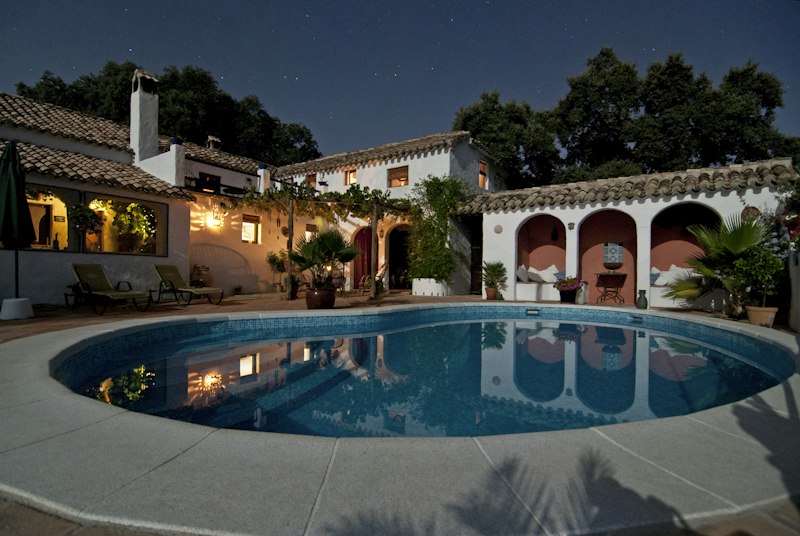
Owning a swimming pool in Spain is a dream for many property buyers, but it comes with specific legal obligations and regulations. Whether you are installing a new pool or purchasing a property with an existing one, understanding Spanish pool laws is essential. Nuevolista provides this guide to help you navigate the regulatory landscape.
Building Permits and Licenses
Installing a swimming pool in Spain requires a building permit from your local town hall (ayuntamiento). The process varies by municipality but generally requires submitting architectural plans, a technical project signed by a qualified engineer, and proof of property ownership. Pools exceeding certain dimensions may require a full "licencia de obra mayor" rather than a simple minor works license. Processing times range from two weeks to several months depending on the municipality. Building without a permit can result in fines of up to six thousand euros and mandatory demolition orders.
Safety Requirements
Spanish law mandates specific safety measures for swimming pools. Community pools must be surrounded by a fence at least one point two meters high with a self-closing gate. Depth markings must be clearly visible, and non-slip surfaces are required around the pool perimeter. Since 2023, updated regulations require that all community pools have accessible entry points for people with reduced mobility. Private residential pools have fewer mandatory requirements, but installing safety barriers is strongly recommended, especially for families with young children.
Community Pool Regulations
In apartment complexes and urbanizations, community pools are governed by the community of owners. The community must hire a licensed pool maintenance company and a certified lifeguard during designated swimming hours, typically from June through September. Water quality must be tested daily during the swimming season, and results must be recorded in an official logbook. Community presidents who fail to comply with these regulations can face personal liability in case of accidents.
Water Treatment and Environmental Rules
All pools must maintain water quality standards set by Royal Decree 742/2013. This includes specific ranges for pH levels, chlorine concentration, and turbidity. Many regions now require water recycling systems for pools above a certain size. In drought-affected areas such as parts of Andalucía and Murcia, there may be temporary restrictions on filling pools during water shortage periods. Saltwater pools have become increasingly popular as they require fewer chemicals and are perceived as more environmentally friendly.
Tax Implications
A swimming pool increases your property's catastral value, which directly affects your annual property tax (IBI). You are legally required to declare the existence of a pool to the Catastro. Properties with pools may also face higher garbage collection fees in some municipalities. When buying a property with a pool through Nuevolista, factor these ongoing costs into your budget calculations.
Insurance Considerations
Pool owners should ensure their home insurance policy specifically covers pool-related incidents. Standard policies may exclude pool accidents or have limited coverage. Community pools require separate civil liability insurance with minimum coverage amounts that vary by region. The annual cost of pool-specific insurance typically ranges from one hundred to three hundred euros for private pools.