Insulation and Climate Control in Spanish Homes
Nuevolista Team · 20 ago 2025 · 10 min de lectura
Por ahora esta página solo está disponible en inglés. El resto del sitio está traducido.

Many people assume that homes in Spain only need to stay cool, but the reality is more nuanced. Spanish winters can be surprisingly cold, especially inland and at altitude, and poorly insulated homes are uncomfortable and expensive to heat. Understanding insulation and climate control options is essential whether you are buying, building, or renovating in Spain. Nuevolista helps buyers evaluate property energy efficiency before making a purchase.
The Insulation Problem in Spain
Historically, Spanish construction paid little attention to thermal insulation. Buildings constructed before the 1980s often have single-layer brick walls with no insulation whatsoever. Even many properties built in the 1990s and early 2000s have inadequate insulation by modern standards. This means millions of Spanish homes are excessively hot in summer and cold in winter, with high energy bills to match. The energy performance certificate rating of most older Spanish properties falls in the E, F, or G category, the worst on the scale. Improving insulation is one of the most cost-effective renovations you can undertake.
Types of Insulation Available
Several insulation options work well in the Spanish climate. Expanded polystyrene (EPS) panels are the most common and affordable choice, suitable for walls, roofs, and floors. Extruded polystyrene (XPS) offers better moisture resistance and is ideal for areas prone to humidity. Mineral wool (rock wool or glass wool) provides excellent thermal and acoustic insulation and is fire-resistant. Spray polyurethane foam is increasingly popular for its ability to fill irregular cavities and create an airtight seal. Natural options like cork, which is produced abundantly in Spain and Portugal, offer sustainable insulation with excellent thermal properties.
Exterior Insulation Systems (SATE)
The most effective insulation upgrade for existing Spanish buildings is the Sistema de Aislamiento Térmico Exterior, known as SATE. This involves attaching insulation panels to the exterior walls and finishing with a protective render. SATE eliminates thermal bridges, maintains interior living space, and can be applied without displacing residents. The system typically costs between forty and eighty euros per square meter installed. Many Spanish regional governments offer subsidies covering thirty to fifty percent of SATE installation costs through EU-funded renovation programs. Community of owners in apartment buildings can apply collectively for these grants.
Heating Systems
Central heating is not as universal in Spain as in northern Europe. Many homes rely on individual room heaters or portable units. For whole-house comfort, aerothermal heat pumps are now the recommended option, providing both heating and cooling from a single system with high energy efficiency. Natural gas central heating remains common in urban areas where gas networks exist. Underfloor heating works exceptionally well with Spanish tile floors and is increasingly popular in new builds. For rural properties without gas connections, biomass boilers burning olive pit pellets offer an economical and locally sourced heating solution.
Air Conditioning Considerations
Split-system air conditioners are ubiquitous in Spanish homes. When selecting a system, choose units with inverter technology for energy efficiency and look for the highest energy rating available. Proper sizing is critical — an undersized unit will struggle and consume excessive energy, while an oversized unit will cycle on and off inefficiently. For apartments, check community rules about exterior unit placement, as many buildings restrict where compressor units can be installed. Ducted air conditioning systems provide a more aesthetically pleasing solution but require ceiling void space for installation.
Smart Climate Control
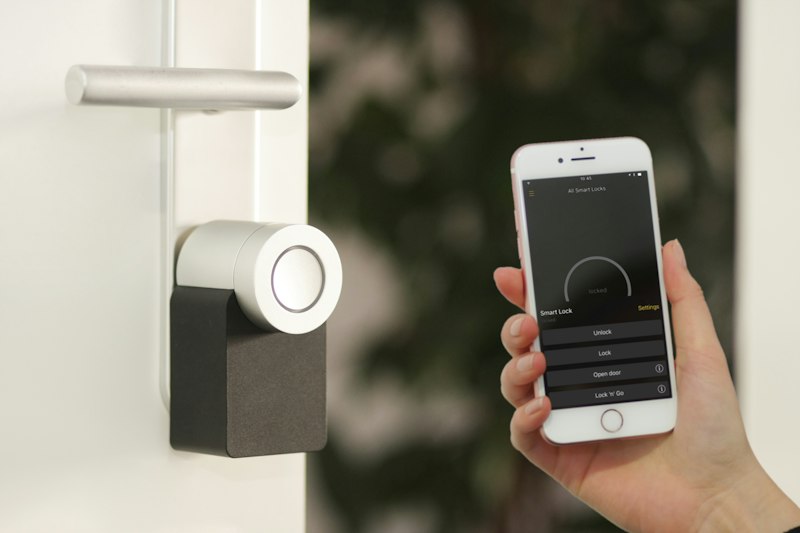
Modern smart thermostats and climate control systems can reduce energy consumption by twenty to thirty percent in Spanish homes. These systems learn your patterns, adjust temperatures based on occupancy, and can be controlled remotely via smartphone. For holiday homes browsed on Nuevolista, smart climate control means you can activate heating or cooling before arrival, ensuring a comfortable welcome without wasting energy when the property is empty. Zone control systems allow different temperatures in different rooms, avoiding the waste of heating or cooling unused spaces.