Mediterranean Interior Design for Spanish Homes
Nuevolista Team · 20 jul 2025 · 9 min de lectura
Por ahora esta página solo está disponible en inglés. El resto del sitio está traducido.
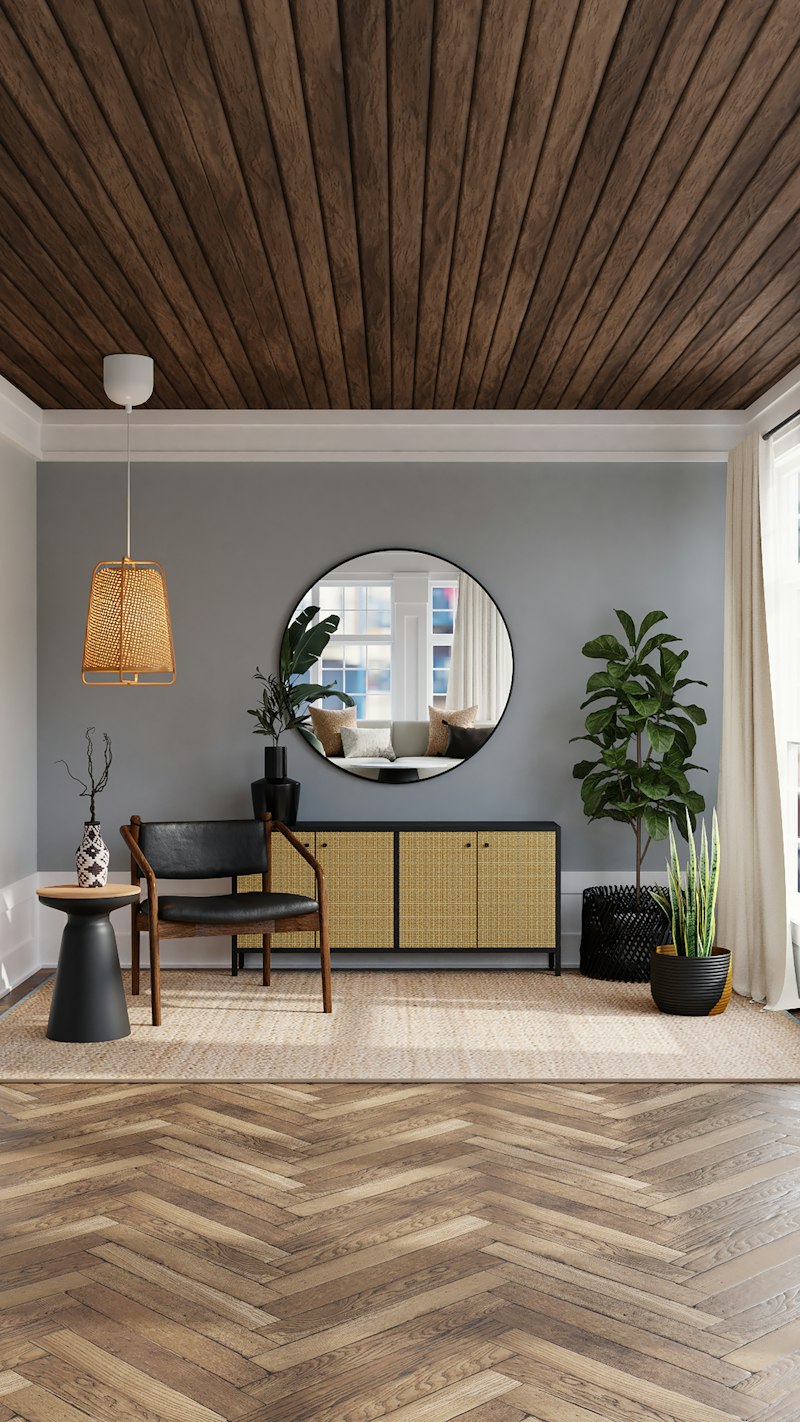
Mediterranean interior design is more than just an aesthetic choice — it is an architectural philosophy born from the Spanish climate and landscape. With its emphasis on natural light, organic materials, and indoor-outdoor living, this style transforms houses into homes that feel connected to their environment. Whether you are furnishing a new purchase or renovating an existing property, these principles will help you create a space that is both beautiful and deeply functional.
Core Design Principles
Mediterranean design revolves around three pillars: light, texture, and simplicity. Large windows and open floor plans maximize natural light, reducing the need for artificial lighting during Spain's long sunny days. Textured walls — whether lime-washed plaster, exposed stone, or stucco — add warmth and character. Simplicity means avoiding clutter and letting architectural elements speak for themselves. Every piece in a Mediterranean home should feel intentional.
Color Palette
The Mediterranean color palette draws directly from the Spanish landscape: the whites and creams of Andalusian villages, the terracotta of rooftop tiles, the blues of the sea and sky, and the greens of olive groves and cypress trees. Start with a white or off-white base for walls and large surfaces, then layer in warmer tones through furniture, textiles, and accessories. Azure blue accents work beautifully in coastal properties, while deeper ochres and burnt siennas suit interior and mountain locations.
Materials
Natural materials are the foundation of Mediterranean interiors. Terracotta floor tiles, handmade ceramic tableware, woven esparto grass baskets, and wrought iron light fixtures are classic elements. Wood plays a supporting role — oak and pine ceiling beams, rustic furniture, and wooden shutters add warmth without dominating the space. Stone — whether in a feature wall, a kitchen countertop, or a bathroom basin — connects the interior to the landscape outside.
Furniture Selection
Mediterranean furniture tends toward solid, comfortable pieces with clean lines. Avoid fussy ornamentation — instead, choose sofas and chairs in natural linen or cotton fabrics in neutral tones. A substantial wooden dining table is the centerpiece of the Mediterranean home, reflecting the importance of shared meals in Spanish culture. Rattan and wicker chairs add a relaxed, coastal feel. For bedrooms, simple wooden bed frames with white linen bedding create a serene retreat.
Indoor-Outdoor Living
Perhaps the defining feature of Mediterranean design is the seamless connection between indoor and outdoor spaces. Large sliding doors, covered terraces, and outdoor dining areas extend living space beyond the walls. Equip your terrace with comfortable seating, shade provisions (pergolas with climbing bougainvillea are quintessential), and ambient lighting for evening entertaining. Potted herbs — rosemary, thyme, basil — add fragrance and connect to the culinary traditions of the region.
Practical Tips for Property Owners
If you are purchasing a property through Nuevolista and planning to furnish it in Mediterranean style, budget approximately €100 to €200 per square meter for furnishing and decor, depending on quality. Local markets and artisan workshops in regions like Andalusia, Valencia, and Mallorca offer unique handmade pieces at reasonable prices. For rental properties, Mediterranean styling photographs exceptionally well and appeals to international guests seeking an authentic Spanish experience.
Bringing It All Together
The beauty of Mediterranean design lies in its restraint and respect for materials. Let the architecture guide your choices, embrace imperfection as character, and create spaces that invite gathering, relaxation, and the simple pleasures of Spanish life.