Renovating a Spanish Finca: Traditional Farmhouse Guide
Nuevolista Team · 20 ene 2026 · 12 min de lectura
Por ahora esta página solo está disponible en inglés. El resto del sitio está traducido.
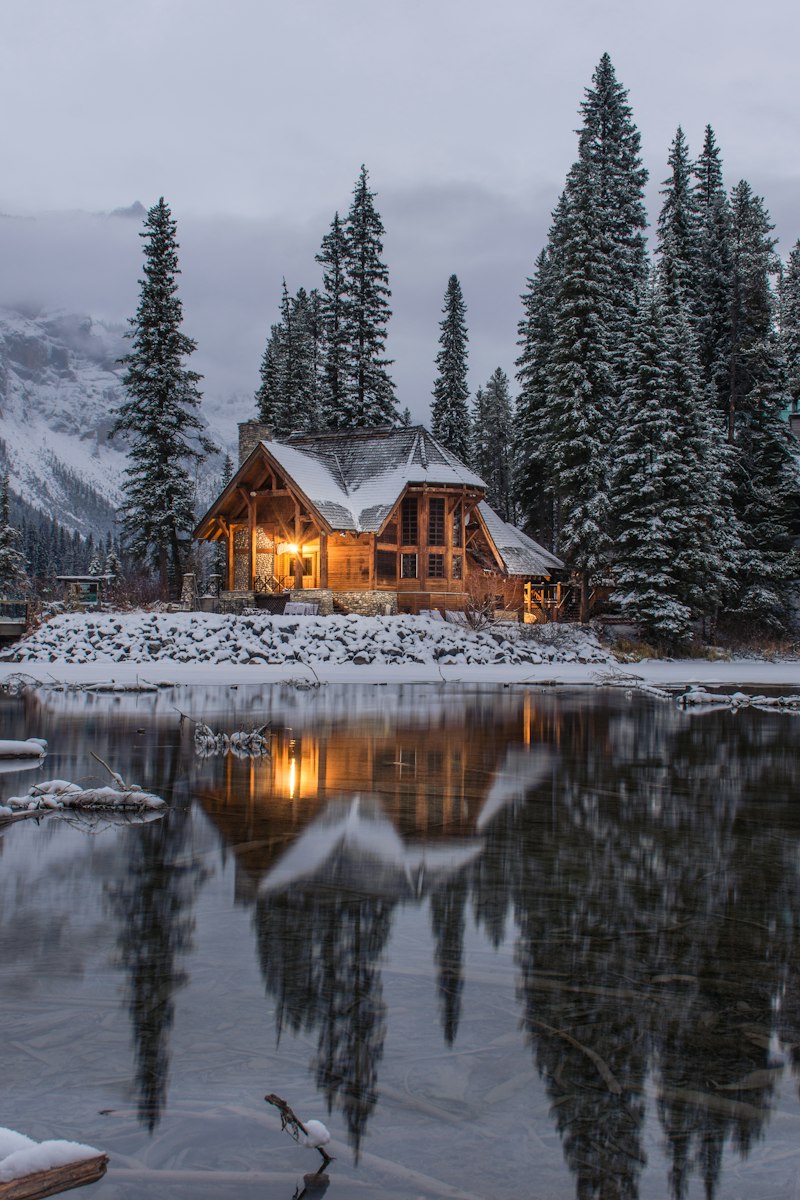
Renovating a Spanish finca — a traditional rural farmhouse — is one of the most rewarding property projects you can undertake in Spain. These characterful buildings, often set on generous plots of agricultural land, offer the opportunity to create a unique home that blends historic charm with modern comfort. But finca renovation comes with specific challenges that differ significantly from urban apartment refurbishment.
Finding the Right Finca
Fincas are found throughout rural Spain, but the most popular renovation regions are Mallorca, Andalusia (particularly Málaga, Granada, and Almería provinces), Valencia, and Catalonia. Prices vary enormously: a ruin with land in inland Andalusia might cost €30,000 to €80,000, while a partially renovated finca in Mallorca could start at €500,000. When evaluating a finca, assess the structural integrity of the building (walls, roof, foundations), the legal status of the land (urban vs. rustic classification), and access to utilities (water, electricity, road access). Nuevolista lists rural properties including fincas, making it easier to find options across different regions.
Legal and Planning Considerations
Building regulations for fincas on rustic land are strict and vary by municipality and autonomous community. In general, you cannot increase the footprint of the building beyond a certain percentage, and new construction on rustic land is heavily restricted. Obtain a certificado urbanístico from the town hall to understand exactly what modifications are permitted. If the finca is within a protected area (parque natural, zona de protección), additional environmental approvals may be required. Hiring a local architect (arquitecto) who has experience with rural renovations and knows the local planning office is essential.
Respecting Traditional Features
The charm of a finca lies in its original features: stone walls, wooden beams, terracotta tiles, arched doorways, and traditional floor plans. Successful renovations preserve and celebrate these elements while introducing modern infrastructure behind the scenes. Retain exposed stone where possible, restore rather than replace original wooden doors and shutters, and use reclaimed materials that match the building's period. Where modern additions are necessary — such as new windows or extensions — choose materials and proportions that harmonize with the original architecture.
Modern Infrastructure
Most fincas require complete renewal of electrical, plumbing, and drainage systems. Remote locations may not have mains water or sewage connections, requiring a well (pozo), water deposit, and septic tank (fosa séptica). Solar energy is a natural fit for finca renovations — Spain's rural properties enjoy excellent sun exposure, and a photovoltaic system with battery storage can provide energy independence. Underfloor heating is an efficient and unobtrusive solution for stone-floored fincas that can be uncomfortably cold in winter.
Managing Costs and Timelines
Finca renovations typically cost between €800 and €1,500 per square meter, depending on the scope of work and the region. A full renovation of a 150-square-meter finca might cost €120,000 to €225,000, excluding the purchase price and external works like landscaping, pools, and driveways. Timelines are longer than urban projects — 12 to 24 months is common for a comprehensive renovation. Build in a contingency budget of at least 20%, as rural properties almost always reveal surprises (hidden dampness, structural issues, protected species on the land).
Finding Contractors
Finding reliable contractors in rural areas can be challenging. Ask your architect for recommendations, seek references from other renovation owners in the area, and visit completed projects where possible. Many rural areas have skilled artisans — stonemasons, blacksmiths, carpenters — who can execute traditional techniques that add authentic character. Be prepared for a more relaxed pace of work compared to city projects.
The Reward
A thoughtfully renovated finca is more than a home — it is a statement of appreciation for Spanish rural heritage. These properties hold their value exceptionally well, appeal to a specific and committed buyer market, and offer a lifestyle that is increasingly sought after in a world that values authenticity, space, and connection to the land.